3 Future-Directed Social Service Agencies (Phase 2)


Three dedicated innovation teams consisting of new hires, one at each of the three agencies
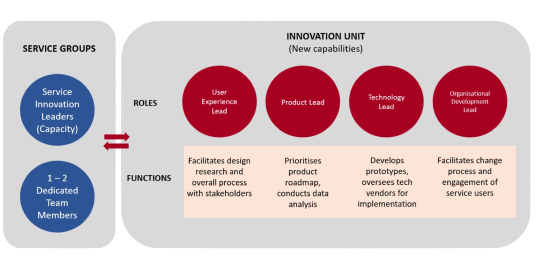
Senior professionals hired in to bring new capabilities
Joint-projects to develop shared tools across SSAs and foster deeper collaboration
Bringing in new capabilities to the social service agency (SSA) marks a shift in how innovation is approached within the sector. Bringing three SSAs together strengthens their collective influence, and fosters the development of solutions that can be used across agencies.
The Challenge
- Conventional funding schemes are often directed towards specific programmes which determine service headcount, leaving little room to look into unmet service user needs or build internal capabilities to adapt when things change.
- To secure tech grants, agencies often have to specify the exact tech solution well in advance. But some problems need more work first — understanding issues deeply, testing hypotheses quickly, asking whether to build at all. When the solution is decided upfront, those important steps are skipped.
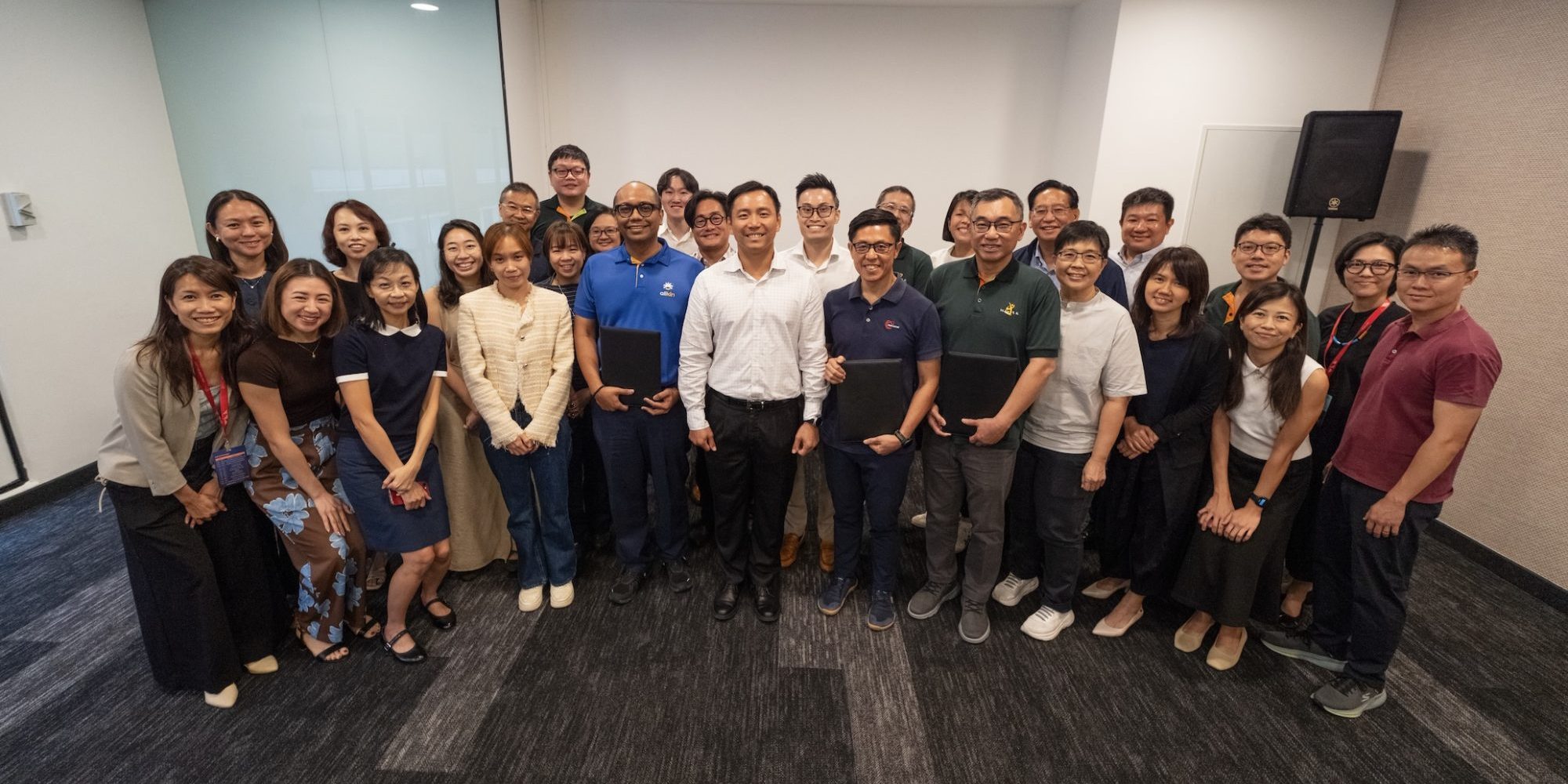
Lien Foundation is supporting the hiring of three dedicated innovation teams, one housed within each of the three SSAs, which together form the Innovation Collective. Each team brings in new talent with capabilities typically found outside of social service such as technology, design, and product management. Working closely with the rest of the organisation, they co-develop solutions while building a culture that encourages experimentation.
Why Now, Why Together
To test the value of an innovation team across diverse organisations, Lien Foundation and Care Corner brought Allkin and Fei Yue onboard, after Phase 1 of the project that involved Care Corner only. Consolidating efforts across three major SSAs enables them to pool resources, strengthen collective influence, address scalability challenges, and shape future funding models around innovation. The Collective is timely — as Singapore’s social service sector moves towards a regional model of care delivery (e.g., Integrated Community Care Provider in the eldercare space), SSAs now have a rare opportunity to reimagine how they work together and deliver more integrated services.
Two flagship joint projects have been identified:
- Integrated Case Intake & Triage: A joint-solution envisions practitioners having a holistic view of each client across agencies and services and referrals move seamlessly between organisations. By integrating and presenting client profiles, issues and historical data across agencies, the solution aims to make triage faster, more accurate, and centred on the client’s full journey, not just a single service touchpoint.
- Regional Data Analytics: The Collective aims to build towards a future where standardised data structures across agencies give the sector a region-wide understanding of clients and their needs, and unlock insights no single agency could uncover alone. This could reveal overlaps in services, unmet demands, and emerging trends, so that insights shape how services are planned and continuously improved.
The hope is that whatever is built and learnt here extends well beyond these three agencies, so the wider sector benefits, e.g., tools that are scalable/sharable across SSAs, or the joint-projects.
The Collective works with an advisory panel made up of experts from GovTech, OGP and Google. They also build collaborations with various parties to leverage existing tools that may not be available or tailored for SSAs. For example, OGP’s Scribe tool helps medical social workers transcribe and summarise conversations. With Care Corner, the two teams extended the tool for Care Corner’s social workers. Also, Care Corner developed Weave by combining a few GovTech products into one tool for social workers, potentially paving a path to tap on many more tools.

Related Projects
How might a future-directed SSA look like? We started with Care Corner in 2023, this now expands to Allkin and Fei Yue.
Future-Directed Social Service Agency

Media Coverage








Explore Eldercare
Expanding Namaste Care @ ICH
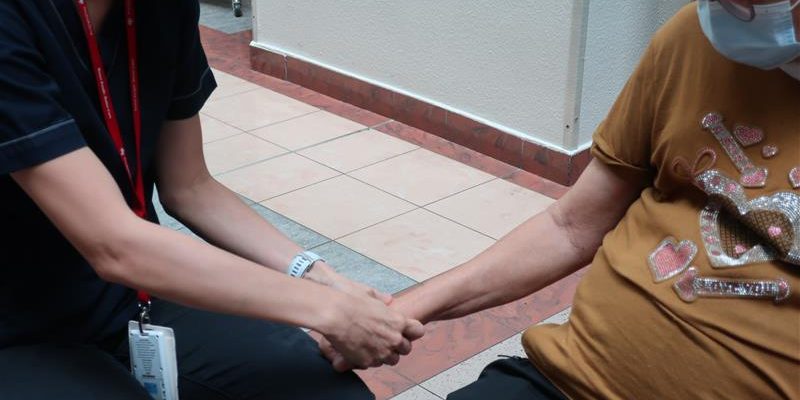
Scaling a multi-sensory, person-centred approach to care from dementia patients to include those with palliative care, rehab, and geriatric needs.
Blossom Seeds Care
Developing home palliative care services alongside Active Ageing Centre communities to support seniors with serious illness at home and in the community.